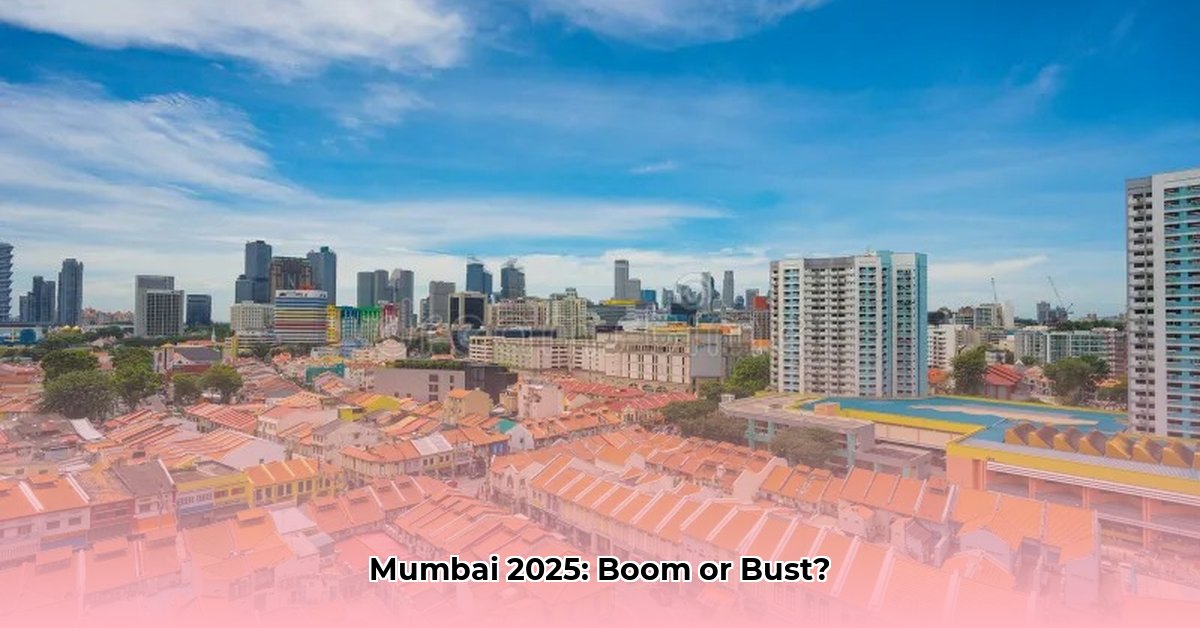
Mumbai's Explosive Growth: A City on the Cusp
Mumbai, India's second-largest city, is experiencing phenomenal growth. This rapid expansion, projected to continue significantly by 2025, presents both incredible opportunities and substantial challenges. Think of it like a lekker braai – the potential for a fantastic feast is there, but you need to plan carefully to avoid a chaotic mess. The surging population demands a strategic response to ensure its sustainable development and avoid overwhelming the city's existing infrastructure. This requires a multifaceted approach tackling pressing issues like housing, transportation, and resource management.
Population Projections and Their Implications
Population growth in Mumbai has been accelerating, as evidenced by the substantial increase between 2001 and 2011. While precise projections for 2025 vary, the anticipated increase will place immense strain on the city's resources and infrastructure. This isn't just about numbers; it's about the lives and well-being of millions. Where will these new residents live? How will they commute? Will the city's systems be able to cope with the increased demand for essential services? These are critical questions demanding immediate attention.
Infrastructure Strain: A City Under Pressure
Mumbai's current infrastructure – roads, railways, water supply, waste disposal – is already operating near capacity. The influx of millions more residents will exacerbate existing issues, potentially leading to significant bottlenecks and service disruptions. Public transport, for instance, is already severely congested. Imagine the chaos with millions more commuters. Similarly, existing water supply systems face the challenge of meeting a significantly increased demand. These are not mere inconveniences; they directly impact the quality of life, impacting health, productivity, and overall well-being.
Charting a Course: Strategic Solutions for Mumbai's Future
Addressing Mumbai's challenges requires a comprehensive and collaborative strategy involving various stakeholders – the government, businesses, and most importantly, the citizens themselves. A coordinated approach is crucial for navigating the complexities of rapid urbanisation and ensuring a sustainable future.
A Phased Approach to Urban Development
The following table outlines a multi-phased strategy, with timelines and potential challenges:
| Action Category | Specific Actions | Timeframe | Challenges |
|---|---|---|---|
| Short-Term (0-1 year) | Improve waste management (better collection, recycling); enhance public transport (more buses, trains, exploring sustainable options); improve access to clean water (investment in existing systems, exploring new sources) | Immediate | Securing funding, coordinating multiple agencies, public acceptance of changes |
| Medium-Term (1-3 years) | Expand affordable housing options; improve traffic flow through smart city technologies; promote eco-friendly building practices | Next few years | Land acquisition, bureaucratic hurdles, securing private investment |
| Long-Term (3-5+ years) | Develop more green spaces, create sustainable urban development plans; upgrade water and sanitation infrastructure; expand public transport networks through innovative solutions | Long-term planning | Significant investment needed, long approval processes, potential community resistance |
Collaboration: The Key to Mumbai's Sustainable Future
The success of these plans depends heavily on effective collaboration between all stakeholders. The central government must provide national level support, while state governments focus on infrastructure and local issues. Municipal corporations must ensure reliable services, and the private sector must contribute investment and innovation. Most critically, the active participation of Mumbai's residents is essential for a shared vision and collective responsibility.
Research and Addressing the Unknowns
While much is known about Mumbai's challenges, significant unknowns remain. More precise population forecasts, broken down by area, and accurate assessments of infrastructure capacity are crucial for informed urban planning. Ongoing research will provide a clearer picture, enabling more effective strategies.
Key Takeaways:
- Mumbai's rapid growth presents immense opportunities and challenges.
- Addressing infrastructure strain is crucial for maintaining quality of life.
- A collaborative, multi-phased approach is essential for sustainable urban development.
- Ongoing research and data analysis are vital for informed decision-making.
- The active participation of Mumbai's citizens is paramount for a successful future.